Exploring Industry Applications of Bidirectional Carbon Fiber Cloth
As industries continually seek advanced materials to enhance performance, bidirectional carbon fiber cloth emerges as a crucial player. Its adaptability and strength make it indispensable in fields like aerospace, automotive, and marine construction. In an era where lightweight, high-performance composites are essential, such material innovations are invaluable. By 2024, the carbon fiber market is anticipated to reach USD 7.8 billion, underscoring its significance. Through the expertise of Hangzhou Impact New Materials, boasting over 20 years of experience, industries worldwide can access solutions to meet rigorous demands. This exploration will illuminate how bidirectional carbon fiber cloth addresses specific challenges across various sectors, offering insights for engineers and procurement leaders in making strategic decisions.
Key Insights
- Bidirectional carbon fiber cloth delivers tensile strengths up to 3500 MPa, making it ideal for aerospace applications.
- Selection should prioritize weave patterns and fiber types tailored to specific application needs.
- Prepreg forms, such as 3K twill weave, provide enhanced durability and manufacturing consistency.
- Supplier certifications like ISO 9001 are critical for quality assurance when sourcing.
The Core of Bidirectional Carbon Fiber Cloth
Defining Bidirectional Carbon Fiber Cloth
Structured to handle multidirectional loads efficiently, bidirectional carbon fiber cloth is designed with fibers aligned perpendicularly. This configuration is particularly beneficial for industries needing materials that can withstand complex stress patterns, such as aerospace and automotive sectors. Typically, its tensile strength reaches about 3500 MPa, making it suitable for high-performance applications.
Core Specifications
- Tensile Strength: 3500 MPa
- Density: 1.6 g/cm³
- Fiber Volume Fraction: 60%
- Elongation at Break: 1.5%
Tested under ASTM D3039, these specifications ensure resilience and structural integrity under significant stress. For those requiring precise standards, Impact Materials offers a variety of twill weave options tailored to rigorous industry requirements.
Industry-Specific Applications
Across numerous sectors, from aerospace to marine, bidirectional carbon fiber cloth finds extensive application. In aerospace, it is pivotal in crafting durable fuselage and wing components. The automotive industry relies on its strength for body panels, while marine construction uses it for hull reinforcements, thanks to its capability to evenly disperse loads across two orientations.
Weave Patterns: Comparing Twill and Plain Weave
Flexibility of Twill Weave
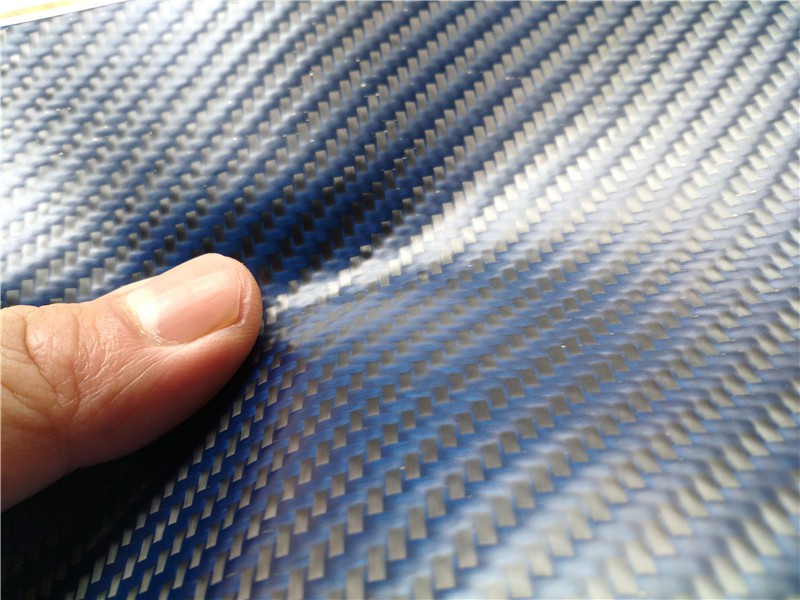
Twill weave patterns feature a distinct diagonal design, enhancing flexibility and drapability. This makes it particularly valuable for intricate automotive and aerospace components where design complexity is high. Additionally, it offers an aesthetic appeal that many manufacturers favor in visible applications.
Simplicity of Plain Weave
Plain weave presents a basic checkerboard pattern, offering straightforward construction with enhanced dimensional stability. While it lacks the flexibility of twill, its robust structure is ideal for flat surfaces and applications where stability is paramount, such as in construction and marine environments.
| Weave Pattern | Flexibility | Applications |
|---|---|---|
| Twill | High | Automotive, Aerospace |
| Plain | Moderate | Construction, Marine |
For projects requiring not just durability but also aesthetic enhancements, the 3K twill carbon fiber fabric epoxy resin prepreg is an optimal choice, balancing strength and appearance.
Highlighting Top Bidirectional Carbon Fiber Cloth Products
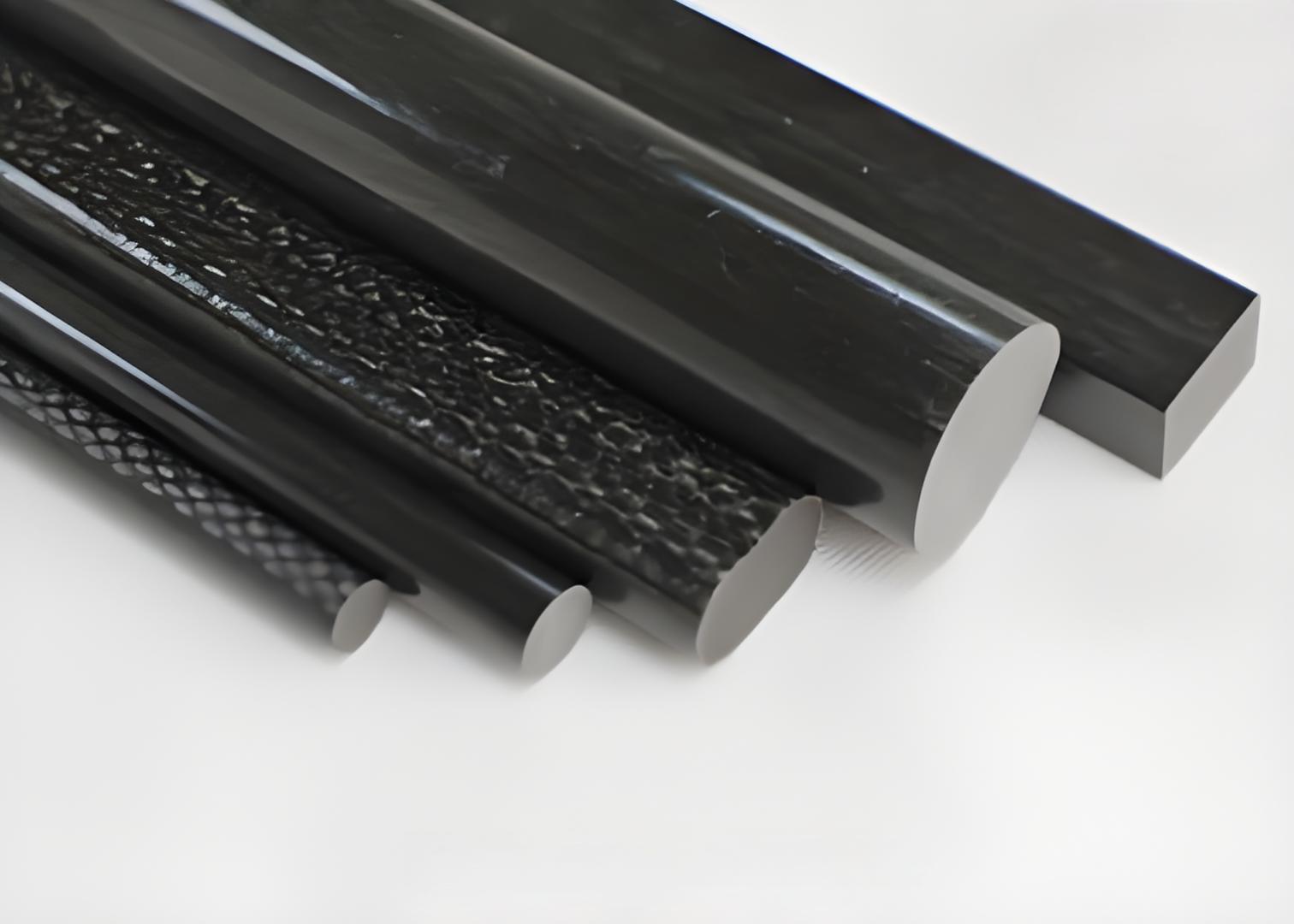
Discover highly rated bidirectional carbon fiber cloth solutions from Impact Materials, a trusted name for manufacturers in over 120 countries.

Advanced Technologies: Prepreg and Pultrusion
Advantages of Carbon Fiber Prepreg 3K
Carbon fiber prepreg 3K technology involves immersing fibers in a resin, often epoxy, to enhance performance consistency during manufacturing. This method is especially beneficial in sectors where precision and reliability are non-negotiable.
For those committed to leveraging the full potential of bidirectional carbon fiber cloth, consulting a reliable bidirectional carbon fiber cloth supplier is essential. Their expertise ensures access to quality materials that meet exacting industry standards.
To explore a range of customizable solutions for your specific industry needs, visit Impact Materials for bidirectional carbon fiber cloth solutions today, and discover materials designed to elevate your projects to new heights.